
What Intent Data Actually Is (And Why Most Teams Use It Wrong)
Intent data is behavioral signal data that indicates when a company or individual is actively researching a topic, product, or category. In B2B prospecting, that translates to knowing which accounts are in-market right now — before they ever fill out a form or answer a cold call.
Here is why that matters in numbers: 6sense's 2025 Buyer Experience Report surveyed over 4,000 B2B buyers and found that 94% of buying groups had already ranked their preferred vendors before speaking to any sales rep. Those buyers consumed an average of 13 content pieces on the way to that decision — almost all of it anonymously. If your team cannot see that research happening, you are not even in the consideration set for most of your market.
The B2B intent data market has responded accordingly. The sector hit $4.49 billion in 2026 and is projected to reach $20.89 billion by 2035, growing at a 16.6% compound annual rate. 91% of B2B marketers now use intent data in some form to prioritize accounts.
But adoption is not the same as success. Only 24% of teams report exceptional ROI from intent data investment. DemandScience's 2026 State of Performance Marketing report — drawn from 750 senior marketing leaders — found that two-thirds of leaders see dashboards showing success that never translates to revenue, and marketers estimate 25% of their budget funds campaigns that look productive in the data but never drive a deal. The gap is not a technology problem. It is a vendor-fit and activation problem. This guide addresses both.
The Three Types of Intent Data B2B Teams Need to Understand
Not all intent signals are created equal, and mixing them up is one of the main reasons teams overspend or misfire on outreach. Understanding what each type captures — and what it misses — is the foundation for using intent data well.
First-Party Intent Data
This is behavioral data you collect directly: page visits, content downloads, webinar registrations, demo requests, chatbot conversations. It is the highest-quality signal because it is unambiguous — that account visited your pricing page three times this week. The limitation is obvious: first-party data only shows accounts that have already found you. It tells you nothing about the much larger set of in-market buyers researching you and your competitors elsewhere.
Tools like Leadfeeder (now Dealfront) specialize in converting anonymous website traffic into identified company-level intent. Dealfront offers a free tier, making it the most accessible entry point for first-party intent enrichment. Clearbit / HubSpot Breeze Intelligence similarly enriches first-party web signals with firmographic and technographic context so you know not just who visited, but whether they fit your ICP.
Third-Party Intent Data
This is behavioral data aggregated from across the web — publisher networks, review sites, content consumption platforms, search activity. The Forrester Wave Q1 2025 recognized five Leaders in this space: Intentsify (highest Current Offering score), 6sense, Bombora, Informa TechTarget, and Demandbase. Third-party intent is where the scale advantage lies. Bombora's data cooperative, for instance, aggregates signals from hundreds of B2B media properties. The tradeoff is that third-party signals are noisier, often lagging, and shared with every competitor using the same provider.
Dark Intent: 2026's Emerging Signal Type
A significant and growing portion of buyer research now happens in places no conventional scraper can reach: private Slack communities, LinkedIn DMs, internal Notion wikis, AI chat interfaces, and peer-to-peer forums. In 2026 this is called "dark intent" — signals that originate from unstructured, private data sources. Tools that can analyze and interpret these dark intent signals provide a genuine competitive advantage, identifying in-market accounts before they engage publicly. This is early-stage technology, but it is moving fast and should be on your radar when evaluating vendors on a 12–18 month horizon.
How Intent Data Fits Into Your B2B Prospecting Workflow
Intent data is only as valuable as the workflow it feeds. Here are the three highest-leverage points of integration.
Newsletter
Get the latest SaaS reviews in your inbox
By subscribing, you agree to receive email updates. Unsubscribe any time. Privacy policy.
Account Scoring and Prioritization
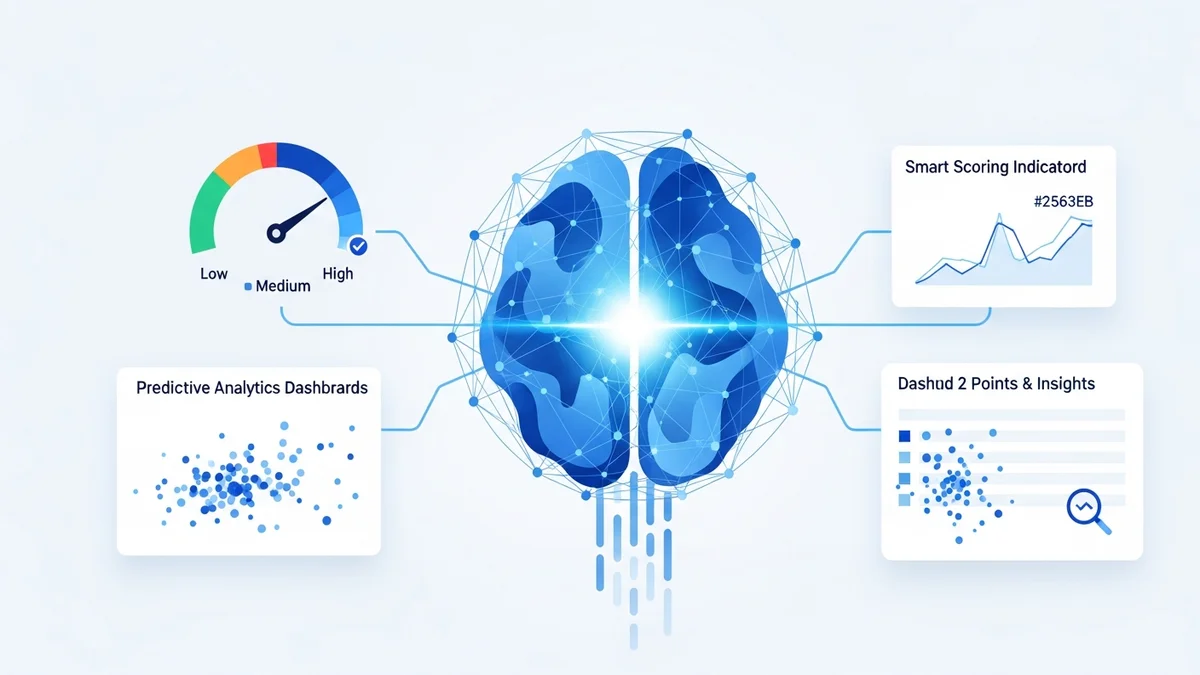
The most immediate ROI from intent data comes from using it to rank your existing target account list. Without intent signals, sales teams prioritize accounts based on static firmographic fit — company size, industry, revenue. With intent signals layered on top, you can identify which of those well-fitting accounts are actively researching your category right now. That shift in prioritization alone — spending 80% of outreach effort on the 20% of accounts showing active intent — is where the ROI case is made. Tools like ZoomInfo and Apollo.io have built intent scoring natively into their prospecting workflows, so reps do not need to toggle between systems to act on it.
Timing Your Outreach
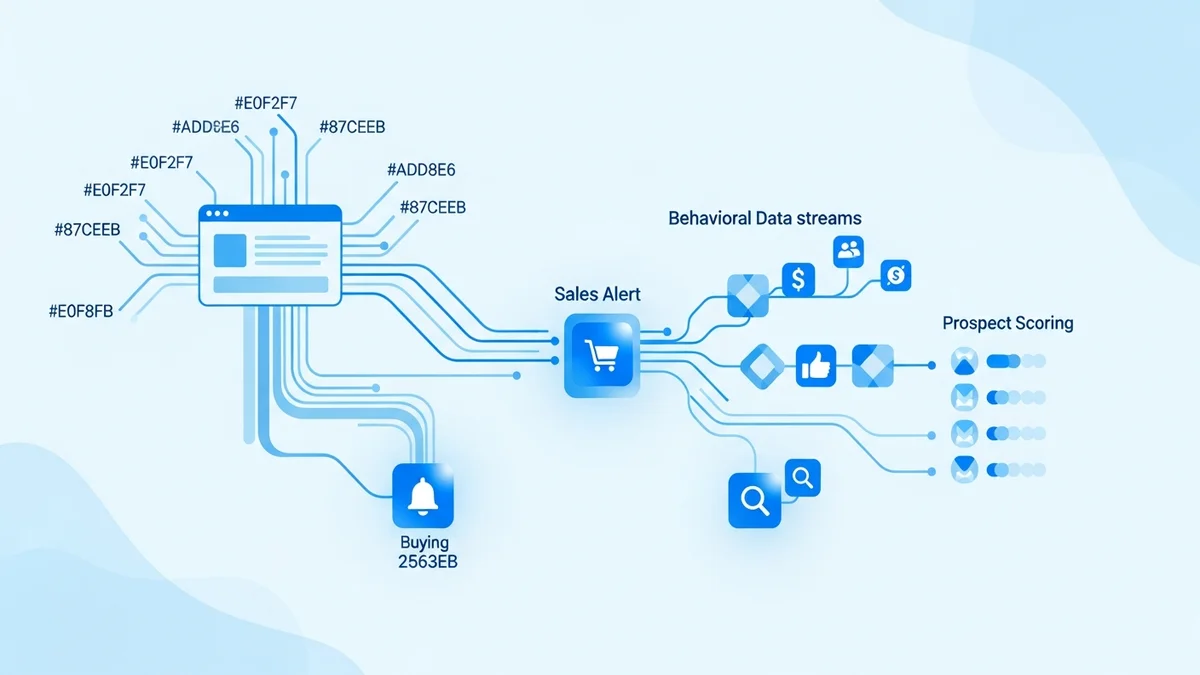
Intent signals decay fast. An account spiking on "CRM migration" keywords today may have made a decision in three weeks. The practical implication: intent data requires shorter sales cycles and faster follow-up than traditional outreach cadences. Build your sequences with intent triggers as entry conditions, not just as a list filter you refresh quarterly. AI-native platforms like 6sense launched RevvyAI at its 2025 Breakthrough conference specifically to automate this — pre-built AI agents that handle account qualification and keyword tracking without manual dashboard review.
Personalizing Your Messaging
Intent data tells you what an account is researching, which removes guesswork from messaging. If an account is spiking on "GDPR compliance" topics, that is your opener — not a generic value proposition. For EU-focused teams, Cognism is particularly strong here: it combines intent data with a GDPR-compliant contact database, so you can move from signal to personalized outreach without the compliance risk that plagues other providers operating in European markets.
Top Intent Data Tools: Pricing and Positioning Compared
Below is a comparison of the most relevant intent data tools for B2B prospecting teams, using published or publicly benchmarked pricing data.
| Tool | Starting Price | Intent Data Type | Best For | Analyst Recognition |
|---|---|---|---|---|
| 6sense | ~$300,000+/year (enterprise) | Third-party + AI prediction | Enterprise ABM | Forrester Wave Leader Q1 2025; Gartner MQ Leader (5 years) |
| Bombora | Custom (mid-market and up) | Third-party cooperative | Topic-level intent at scale | Forrester Wave Leader Q1 2025 |
| Demandbase | Custom enterprise | Third-party + first-party | Enterprise ABM | Forrester Wave Leader Q1 2025; Gartner MQ Leader (5 years) |
| ZoomInfo | Custom (typically $15,000+/year) | Third-party + first-party | Mid-market to enterprise SDR teams | Gartner MQ Leader 2025 |
| Apollo.io | $49/user/month | Third-party intent signals | SMB and startup prospecting | Most accessible entry point |
| Cognism | Custom (typically $15,000+/year) | Third-party + contact data | EU-compliant prospecting | Clear GDPR compliance leader |
| Dealfront (Leadfeeder) | Free tier available | First-party (website visitor ID) | SMB website intent capture | Most accessible EU-friendly option |
| Intentsify | Custom | Third-party aggregated | Multi-signal intent programs | Highest Current Offering score, Forrester Wave Q1 2025 |
The honest takeaway from this table: there is a genuine pricing cliff between Apollo.io ($49/user/month) and the enterprise stack ($15,000–$300,000+/year). For most teams with fewer than 10 sales reps, the enterprise ABM platforms will deliver negative ROI simply due to the activation cost. Apollo.io and Dealfront's free tier are the right starting points — use them to build your intent workflow before spending on a Bombora or 6sense contract.
The Intent Data ROI Problem — And How to Actually Fix It
The 24% exceptional ROI figure from the 2023-2024 State of Intent Data is damning, but it is also diagnostic. The teams that fail share a common pattern: they buy intent data as a list filter rather than as a workflow input. They pull a weekly export of "high-intent accounts," hand it to SDRs as a new sequence target, and measure success by email open rates. That is not an intent data program. That is a contact list with extra steps.
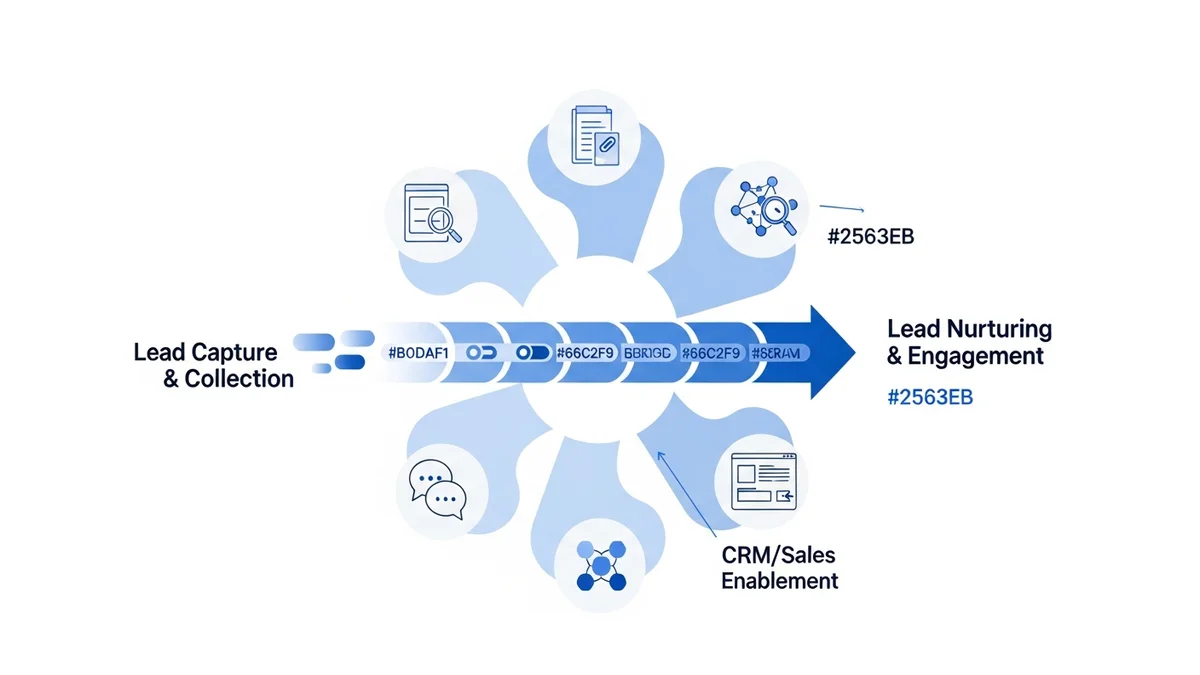
The teams that succeed treat intent as a real-time trigger system. An account crosses a topic-spike threshold → an automated sequence starts or a rep is alerted → the messaging reflects the specific topic being researched → timing is within 24–48 hours of the signal. That requires integrating your intent provider with your CRM, your sales engagement platform, and your ad targeting in a live data flow — not a weekly CSV.
ZoomInfo Copilot, launched in 2025, represents the direction the market is moving: intent signals surfaced as actionable outreach suggestions inside the rep's existing workflow, not as a separate dashboard to check. When evaluating any intent data vendor in 2026, the activation question should be non-negotiable: how does this signal get to the rep, and how fast?
Intent Data Trends Shaping B2B Prospecting in 2026
AI Agents Are Replacing Dashboards
The shift in 2025–2026 is from "here is your data" to "here is what to do about it." 6sense's RevvyAI pre-built agents automate account qualification, ad budget optimization, and keyword tracking. ZoomInfo Copilot surfaces intent-driven outreach suggestions inside the rep's workflow. The vendors investing in AI agent layers on top of their data are pulling ahead of those still selling dashboards. When evaluating platforms, the question is not just "what data do you have?" but "what does your system do with the data automatically?"
Market Consolidation Is Changing Your Options
HG Insights acquired TrustRadius in 2025, adding review-intent signals to its technology intelligence data. This consolidation pattern — intent providers buying review platforms, contact databases buying intent layers — means the standalone intent data vendor is becoming rarer. Most buyers in 2026 will end up getting intent data as a feature of a broader platform (ZoomInfo, Apollo, HubSpot) rather than as a dedicated purchase. That is not necessarily bad: integrated intent workflows are often better than bolt-on ones. But it does mean you should evaluate your existing stack before signing a new contract — you may already be paying for intent signals you are not activating.
Dark Intent Will Matter More Than Keyword Tracking
As buyers increasingly use AI assistants and private professional communities for vendor research, the conventional keyword-and-publisher-network approach to third-party intent will capture a shrinking share of the actual buying journey. The vendors investing in natural language processing of unstructured signals — private forum discussions, conversational AI queries, dark social mentions — are building the intent data capabilities that will define the next competitive cycle. This is a 12–24 month horizon, but it should factor into any multi-year contract decision you are making today.
For teams building out their full lead generation stack alongside intent data, tools like HubSpot Marketing Hub increasingly serve as the connective tissue — pulling in intent signals from integrated providers and triggering nurture workflows based on account-level activity without requiring a separate point solution. The all-in-one play is not always the most powerful, but for teams without dedicated RevOps resources, it is often the most practical.